Many students planning to study in Ireland explore part-time employment to manage everyday expenses, gain workplace experience, and build practical skills alongside academics. However, before accepting employment, students should understand visa permissions, legal work limits, taxes, and employment rights. Questions such as can international students work in Ireland, how many hours they can work, and which jobs are important when preparing for student life abroad. If you are planning to study in Ireland as an international student, part-time employment is also a way to gain local experience and cover living costs.
Understanding Ireland Student Visa Work Rules: Stamp 2 vs Stamp 2A
Employment eligibility for part-time jobs in Ireland is determined by the immigration stamp issued upon registration:
Stamp 2
Students enrolled in eligible full-time higher education programmes generally receive Stamp 2 permission, which allows:
- Part-time work during academic sessions
- Full-time work during approved holiday periods
- Access to employment opportunities alongside study
Stamp 2A
Students under Stamp 2A permission are generally not allowed to work in Ireland. This permission may apply to certain courses that do not qualify for employment rights under immigration regulations.
| Immigration Permission | Work Eligibility |
| Stamp 2 | Eligible for part-time work |
| Stamp 2A | Not permitted to work |
At NewStrides Consulting Pvt Ltd, we support students through personalised counselling, visa expertise, and profile assessment aligned with career aspirations.
Ireland Student Visa Part-Time Work Rules: The 20/40-Hour Limit
One of the most important aspects of part-time work rules in Ireland for international students is knowing the permitted working-hour limits. Under current immigration guidelines, eligible students generally follow the following Ireland work hours for students:
| Academic Period | Permitted Working Hours |
| During the Academic Term | Up to 20 hours per week |
| During Approved Holiday Periods | Up to 40 hours per week |
Exceeding permitted hours may lead to immigration compliance issues and could affect future visa applications.
Official Holiday Periods: When Can Students Work 40 Hours?
Under current regulations, students with Stamp 2 permission may work up to 40 hours per week during designated holiday periods:
- Summer break (June to September)
- Winter holiday period (15 December to 15 January)
Staying informed helps ensure compliance with visa conditions while maximising earning opportunities.
PPS Number and Bank Account: Setup Before You Start Work
Before beginning employment, you need to complete a few administrative formalities:
Step-by-Step: Setting Up Your PPS Number and Irish Bank Account
Most students follow these steps:
- Secure supporting documentation
- Apply for a PPS Number
- Open an Ireland bank account to receive salary payments
Completing these steps soon after arrival can make the transition into working life smoother and help students start earning without unnecessary delays. At NewStrides Consulting Pvt Ltd, our team also helps students understand post-arrival processes, documentation requirements, and how to settle into student life in Ireland more confidently.
Minimum Wage and Employment Rights for Students in Ireland
International students working in Ireland are entitled to many of the same protections as other employees:
| Employment Area | What You Should Know |
| Minimum Wage | Rates vary according to age and government updates |
| Payslips | Employers should provide salary details |
| Contracts | Students should review employment terms carefully |
| Workplace Rights | Legal protections generally apply |
Being aware of these rights can help you make informed employment decisions while undertaking student jobs in Ireland.
Avoiding Emergency Tax: Registering Your Employment with Revenue.ie
Many international students are unaware that failing to register their employment correctly can result in higher tax deductions. Students are generally advised to:
- Register employment details promptly
- Link PPS information with employer records
- Review tax information regularly through their Revenue account
Taking these steps early can help you avoid emergency tax deductions.
Where Do International Students Find Part-Time Jobs in Ireland?
Many students search for student jobs in Ireland through online job portals, local businesses, and university career services.
Top Sectors for Part-Time Jobs in Ireland
Common sectors include:
- Retail: Supermarkets, department stores, shopping centres
- Hospitality: Restaurants, cafés, hotels
- Customer Service: Call centres and service-related roles
- Warehousing and Logistics: Packing and stock-related work
- University Campus Jobs: Student ambassadors, administration, library support
The type of work available often depends on location, experience, and communication skills.
Practical Tips for Finding Student Jobs
Students can improve job search outcomes by:
- Preparing a professional CV
- Checking university career portals
- Applying early during intake periods
- Building professional networks locally
Starting the job search early and preparing application materials carefully may improve employment opportunities while studying in Ireland.
Balancing Work and Study in Ireland
Part-time work can support finances, but maintaining academic performance should remain a priority. You should:
- Avoiding excessive work hours during exams
- Planning weekly schedules carefully
- Prioritising coursework deadlines
- Choosing flexible shifts where possible
Maintaining a balance between academics and employment can help students adjust more comfortably to life abroad.
Ireland Student Visa Part-Time Work Rules: Key Takeaways
Part-time employment can help students manage living expenses, gain workplace experience, and develop practical skills while studying abroad. However, understanding visa permissions, working limits, taxes, and employment rights remains important for staying compliant. For students planning their Ireland study visa or seeking to understand the Ireland study visa process, learning about employment rules early may help make the transition into student life smoother and more organised.
Frequently Asked Questions
1. Can international students work in Ireland on a Stamp 2 visa?
Students holding Stamp 2 permission are allowed to work while studying, subject to specific work-hour limits. They can work up to 20 hours per week during term time and up to 40 hours during approved holiday periods.
2. What is the current minimum wage for student jobs in Ireland?
The minimum wage in Ireland is reviewed periodically by the government and may vary depending on a worker’s age and employment status. You should check the latest official rates before accepting employment to know your expected earnings.
3. How do I get a PPS number for my part-time job in Ireland?
You can apply for a PPS number after arriving in Ireland by providing the necessary identification and supporting documentation. The PPS number is required for taxation, payroll processing, and accessing certain public services.
4. Can I work full-time in Ireland during my Master’s dissertation?
Work eligibility during a dissertation period depends on your academic schedule, university classification, and immigration conditions. You should confirm their status with both your institution and immigration authorities before increasing their working hours.
5. Is it easy for Indian students to find part-time jobs in Ireland?
Many Indian students successfully find part-time jobs in Ireland, particularly in retail, hospitality, customer service, and campus-based roles. Job availability varies by location, hiring season, communication skills, and previous work experience.
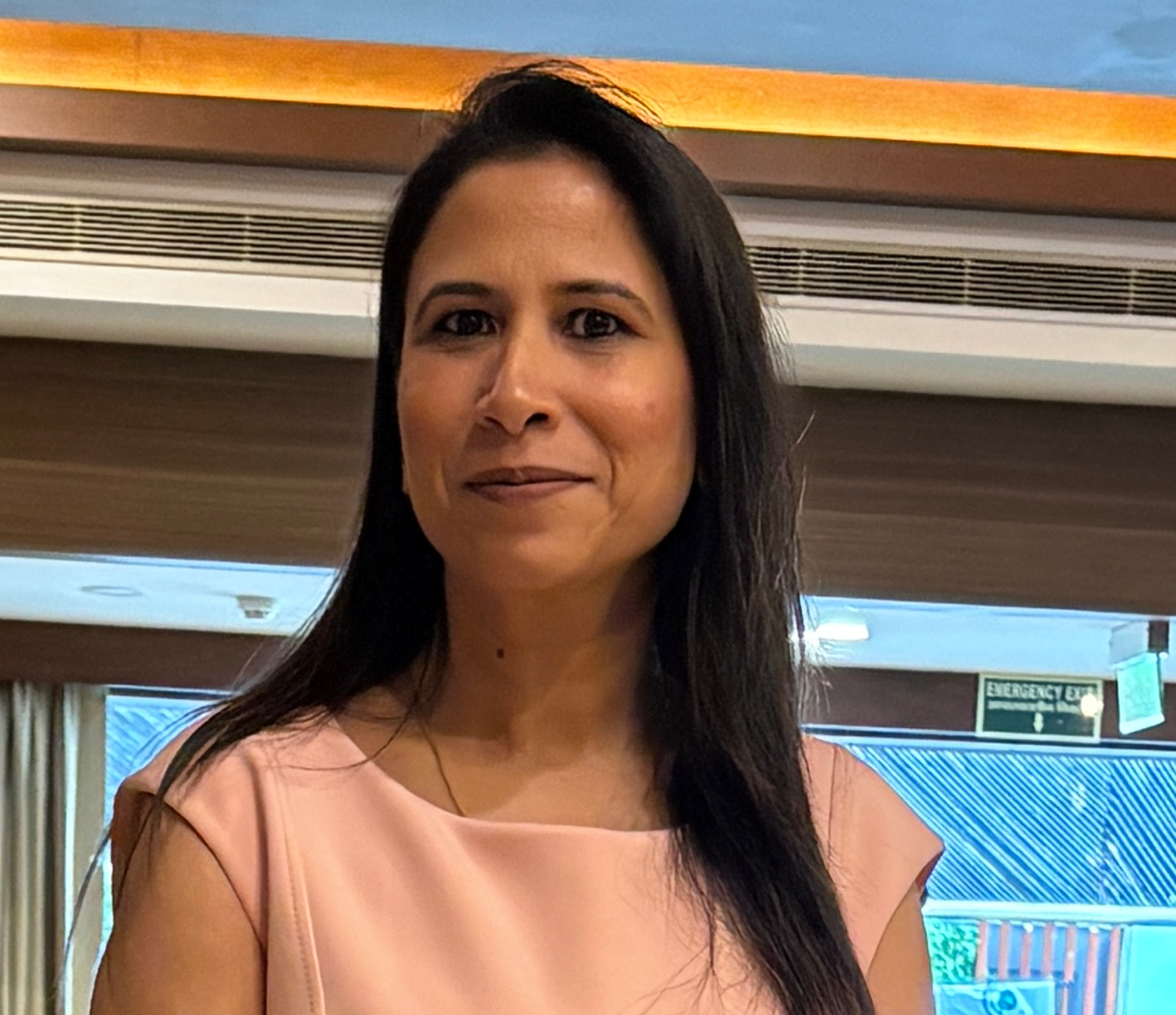
Priya Kaur is an Assistant Vice President at NewStrides Consulting Pvt. Ltd. With over 18 years of experience in overseas education, she specializes in counseling students for UK and Ireland education. She has visited universities and explored these countries to provide prospective students with insightful guidance and accurate information to make informed decisions for their educational journeys. Her career reflects a commitment to excellence in consulting.