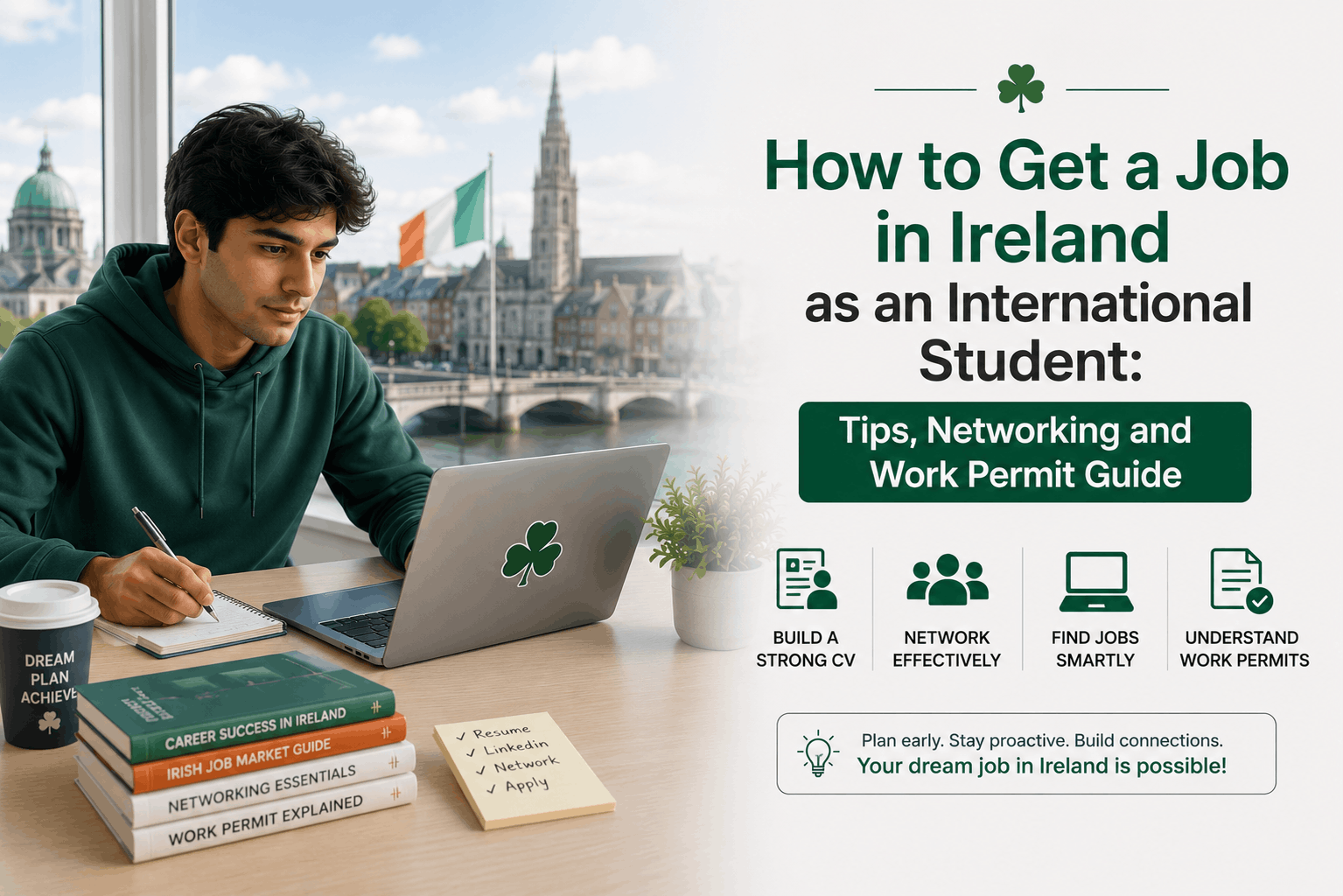
Ireland has become a popular destination for international students due to its globally recognised universities, vibrant student culture, and strong employment opportunities. Students planning to study in Ireland benefit from the ability to work during and after their studies, making it attractive for career growth. With access to part-time work options, post-study pathways, and thriving industries like technology, healthcare, finance, and business, Ireland offers a well-rounded environment for academic success and professional development.
Understanding Ireland Work Permissions: Stamp 2 and the Stamp 1G Advantage
Ireland offers structured work permissions for international students through Stamp 2 during studies and Stamp 1G after graduation, supporting both part-time work and full-time career opportunities.
Under Stamp 2 permission, students can work:
- Eligibility: Students must be enrolled in a full-time course of at least one year at a recognised institution at NFQ Level 7 or above with a valid Irish Residence Permit (IRP).
- Part-Time Work: Eligible students can work up to 20 hours per week during academic terms.
- Holiday Work: Students can work up to 40 hours per week during scheduled breaks such as summer and winter holidays.
The validity of Stamp 1G depends on the qualification level:
- Access: Graduates may qualify for the Third Level Graduate Scheme, allowing them to stay and seek full-time employment in Ireland.
- Duration Level 8: Graduates can remain for up to 12 months under Stamp 1G permission.
- Duration Level 9/10: Postgraduate graduates can stay for up to 24 months for job search and employment.
This pathway gives students enough time to secure jobs in Ireland for international students and transition into long-term work permits.
Part-Time Jobs in Ireland for International Students: Rules, Hours and Wages
One of the key benefits of studying in Ireland is the opportunity for international students to work part-time while pursuing their education.
- Work Eligibility: Students can work under Stamp 2 permission within approved hours while studying full-time. Exceeding limits may impact visa status.
- Job Sectors: Common part-time jobs include retail, hospitality, cafés, restaurants, customer service, supermarkets, delivery services, and campus administration roles.
- Wage Rate: The minimum wage in 2026 is approximately €14.15 per hour for workers aged 20 and above.
- Financial Support: Part-time work helps students manage living costs such as accommodation, transport, and daily expenses effectively.
Financial Planning for Students in Ireland: Master’s Cost and Visa Expenses
It is important for international students to do financial planning, as master’s programs in Ireland vary in cost based on course, university, and lifestyle choices.
| Category | Details |
| Undergraduate Tuition | €10,000 – €29,000 per year |
| Postgraduate Tuition | €9,500 – €34,500 per year |
| High-Cost Courses | Engineering, Business, and Technology may cost more |
| Accommodation | Varies based on city and housing type |
| Food & Groceries | Monthly living expense |
| Transportation | Public transport and daily commute costs |
| Health Insurance | Mandatory for international students |
| Study Materials | Books, supplies, and course resources |
| Utility Bills | Electricity, internet, and other services |
| Visa Fee | €60 (single), €100 (multiple entry) |
| IRP Registration | Approximately €300 |
Expenses depend on programme choice and lifestyle, making budgeting an important part of planning to study in Ireland.
How to Find Professional Job Opportunities in Ireland After Graduation?
Ireland is a major European hub for industries such as technology, pharmaceuticals, finance, and healthcare, offering strong job opportunities for international graduates — including some of the highest paying jobs in Ireland for skilled professionals.
- Internships Growth: Gain work experience during studies to improve employability.
- LinkedIn Profile: Build a strong professional online presence.
- Career Fairs: Attend university events to connect with employers.
- Networking Skills: Engage with industry professionals and communities.
- CV Tailoring: Adapt resumes to Irish recruitment standards.
- Key Sectors: IT, AI, cybersecurity, finance, digital marketing, data analytics, healthcare.
- Ireland Student Visa Cost: The Ireland student visa cost typically includes a single-entry fee, a multiple-entry fee, and an IRP registration fee.
Graduates in critical skill areas may qualify for long-term employment and residency pathways. NewStrides Consulting Pvt Ltd helps students explore opportunities in Ireland and create a clear academic and career pathway through personalised counselling, end-to-end admission assistance, and updated visa support for a smooth and well-structured study abroad journey.
How Does the Irish Job Market Work?
Networking plays an important role in securing employment opportunities in Ireland, as recruiters often value referrals and industry connections.
- University Events: Participate in campus networking events to meet potential employers.
- Alumni Meetups: Connect with former students for guidance and job leads.
- Career Workshops: Attend skill-building and recruitment-focused sessions.
- Professional Conferences: Engage with industry experts and employers.
- Online Platforms: Use LinkedIn and other platforms for professional networking.
- Relationship Building: Develop strong connections with professors, peers, and recruiters.
Strong networking improves access to internships, graduate roles, and long-term career opportunities.
Essential Employment Checklists: PPS Number and IRP Card Explained
International students must complete key formalities before starting work in Ireland to ensure legal compliance and smooth employment access.
- PPS Number: Required for receiving salaries, paying taxes, and accessing public services; also needed by employers for payroll processing.
- IRP Card: Confirms legal residence and is essential for employment verification, visa compliance, and identity proof in Ireland.
- Bank Account: Students should open an Irish bank account for salary deposits and financial transactions.
- Visa Compliance: Maintaining valid visa documents and following work-hour limits is mandatory.
These steps ensure smooth access to job opportunities and prevent legal issues while working in Ireland.
Conclusion
Ireland offers international students strong opportunities to combine quality education with valuable work experience. Flexible part-time work options and attractive post-study pathways help students build strong academic and professional foundations. Understanding visa rules, planning finances for tuition and living costs, and actively networking can significantly enhance career prospects. Whether aiming for part-time jobs during studies or full-time roles after graduation, Ireland provides a supportive environment for growth.
FAQs
1. Can international students work part-time in Ireland?
International students with Stamp 2 permission can work up to 20 hours per week during study periods and up to 40 hours per week during holidays.
2. What are the visa rules for working while studying in Ireland?
Students must be enrolled in a full-time recognised programme and hold a valid IRP card to work legally in Ireland.
3. How do I get a PPS number, and why is it important?
Students can apply for a PPS number after arriving in Ireland. It is required for salary payments, taxation, and accessing government services.
4. What are the average salaries for part-time student jobs in Ireland?
Part-time student jobs generally pay between €13 and €20 per hour, depending on the role and experience.
5. How long can I stay and work in Ireland after graduation?
Graduates may stay for 12 to 24 months under the Third Level Graduate Scheme, depending on their qualification level.
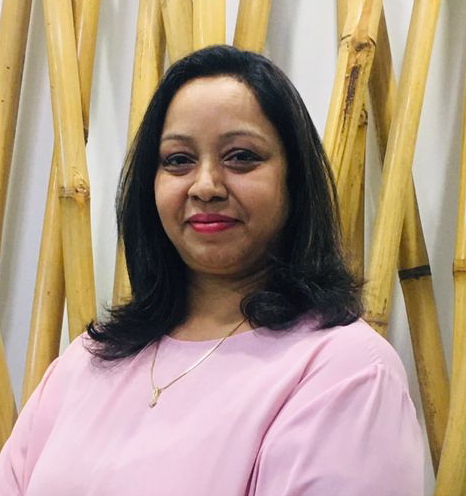
Supriya Sawant is an accomplished Education Counsellor and Manager with 7+ years of experience in guiding students toward academic success. Specializing in higher education opportunities in the UK and Ireland, she is a trusted advisor and a favourite among her students. Supriya is known for her approachable style, insightful guidance, and dedication to student growth.